June is National Pollinator month. There are a variety of ways you can support pollinators in your yard and community.
Celebrate National Pollinator Month in the Garden!
(Updated: June 3, 2022, 12:15 p.m.)
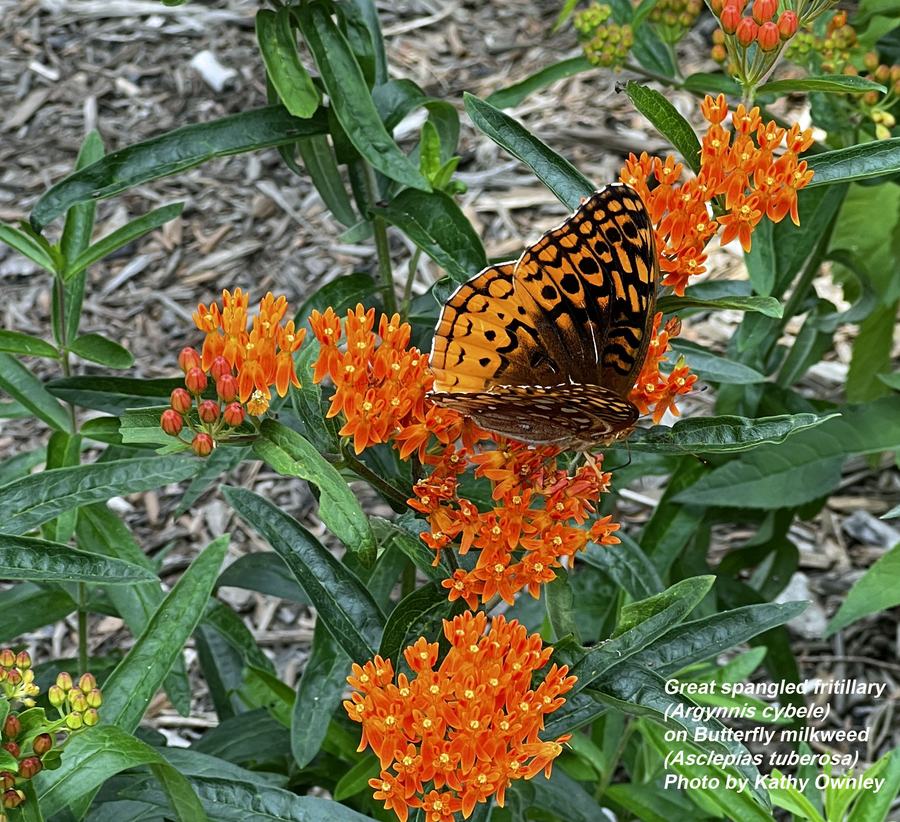
Here are 3 simple steps you can take to protect and encourage pollinators at home.
- Plant a variety of plants in your yard.
Changing even a small section of your lawn into a garden is a great first step to invite pollinators into your yard. A variety of plant life can also encourage the presence of beneficial insects in your landscape, which will help keep pests and problems at bay.
The NC Extension Gardener Plant Toolbox can help you learn about different plants and choose what to grow.
2. Incorporate native plants in your landscape.
Native plants have evolved alongside our native pollinators, so adding these plants to the landscape is a great way to provide food for pollinators. In addition, native plants are well-adapted to our area and can be easier to grow than other options.
Landscaping for Wildlife with Native Plants and the Native Plants Chapter of the NC Extension Gardener Handbook are two great resources to help you learn more. about native plants.
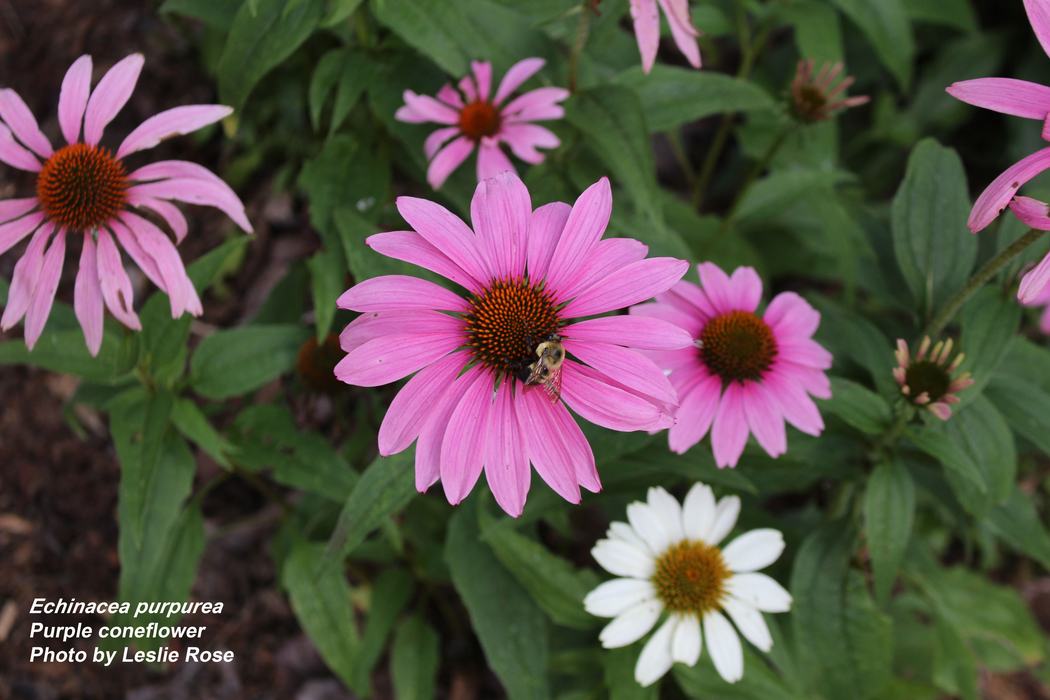
3. Minimize pesticide use.
Reducing your pesticide use is a great way to protect pollinators. Many insecticides, such as ones that are used to kill mosquitoes, will harm insects that are good for the garden. So, you should be selective and only use pesticides when it is absolutely necessary. If you do need to apply an insecticide, try to apply only to plants that are not blooming. Also, apply pesticides very early in the morning or late in the evening when pollinators are less likely to be foraging.
If you are concerned about mosquitoes, modifying or eliminating breeding sites is the long-term solution to severe mosquito problems. Read more in Mosquito Control Around Homes and in Communities.
Want even more information? Check out our page on Native Plants for Bees and Other Pollinators or visit the Forsyth Extension Gardener - Home Landscape page.
Join our mailing list!
Enter your email address to receive updates.
Written By