Pollinator Week is June 21 to 27, 2021. Pollinator Week was started to promote the value of pollinators, such as bees, birds, butterflies, bats, and beetles, as well as address the issue of declining pollinator populations. There are lots of ways to celebrate, keep reading for some ideas!
Celebrate Pollinator Week!
(Updated: June 22, 2021, 7:47 a.m.)
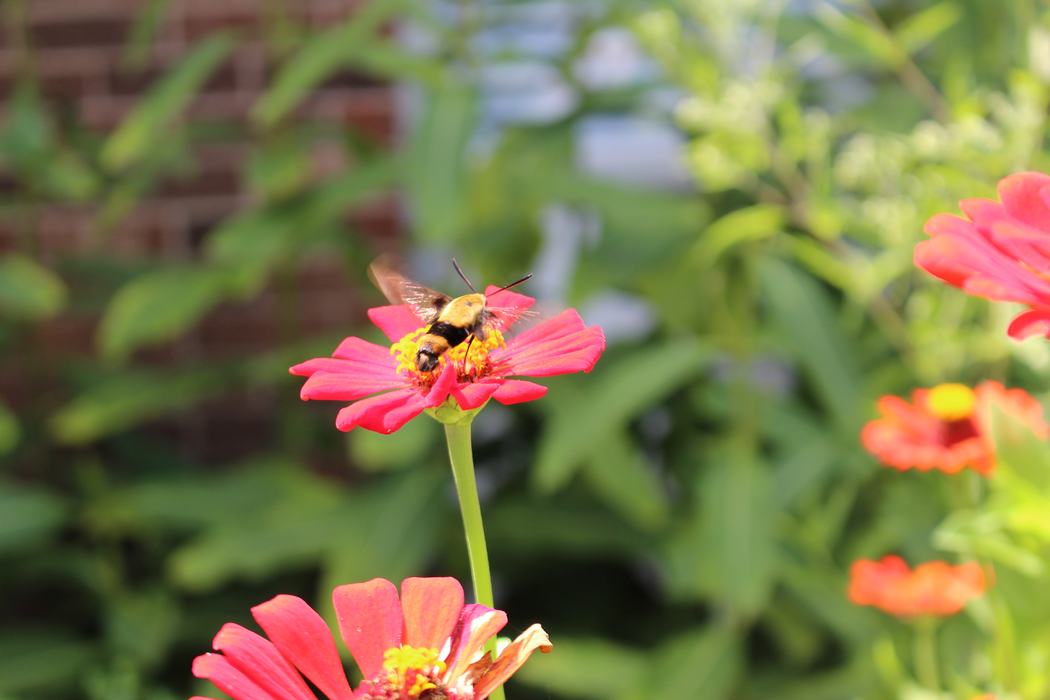
Planting a pollinator garden is a great way to support pollinators in your own yard. You can support bees, butterflies, and other pollinators by growing a variety of flowering plants. Try to select plants that bloom throughout the growing season, and plant them in clusters in your yard to make it easy for pollinators to forage. Here are some resources the help you get started with a pollinator garden:
- Top 25 Native Pollinator Plants for North Carolina is a great list to get you started selecting plants that bloom year round.
- For more detailed information on designing a pollinator garden, consider the book Pollinator Gardening for the South. Read more about Pollinator Gardening for the South.
- Native plants support pollinators and are a great addition to your garden. Read the Native Plants chapter of the NC Extension Gardener Handbook for great information on the importance of native plants and how to use them in your garden.
- If you are interested in butterflies, check out the publication Butterflies in Your Backyard. In addition to flowers, butterflies also need host plants for their larvae (caterpillars). Watch this recorded webinar for information on host plants for butterfly and moth larvae, as well as tips on incorporating them in your garden.
- The NC Extension Gardener Plant Toolbox is a wonderful resource to gather information on plants as you plan any garden. Look for the pollinator plant tag as you are selecting plants.
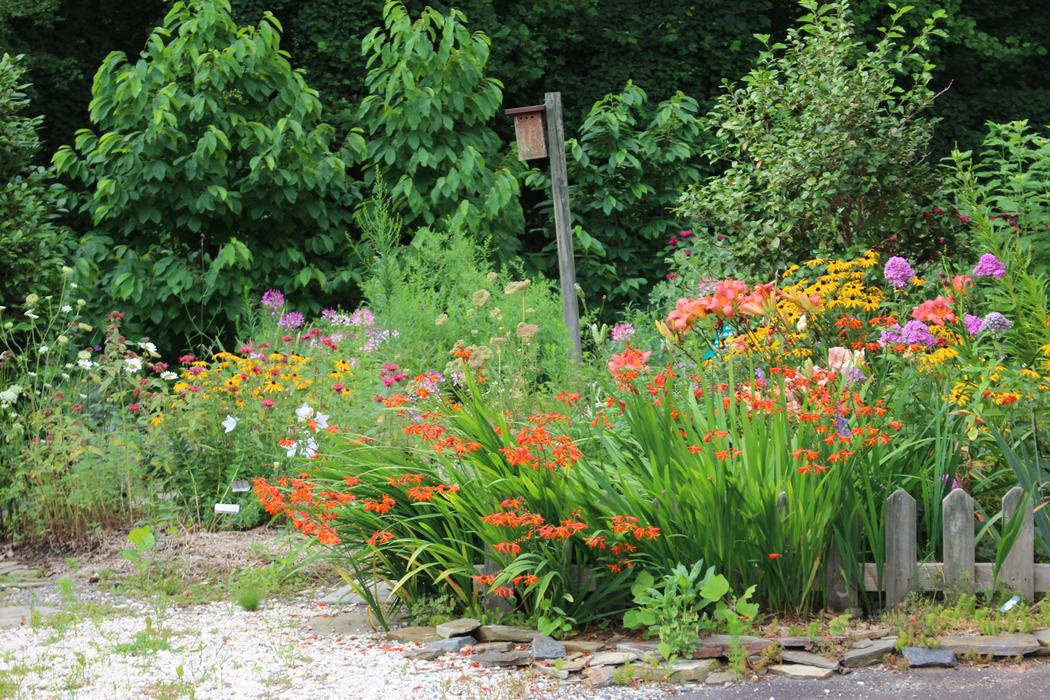
If you already have an established garden, or don’t have the ability to plant one, you can spend some time observing pollinator activity in your community. About 80% of flowering plants worldwide rely on pollinators for reproduction. You can likely some of them in action in your yard, neighborhood, or a local park. If you want to learn more about the pollinators you are seeing, check out these resources:
- The Bees of North Carolina is a wonderful guide, including detailed photos, to help you identify native bees.
- Butterflies in Your Backyard includes information on common butterflies found in North Carolina.
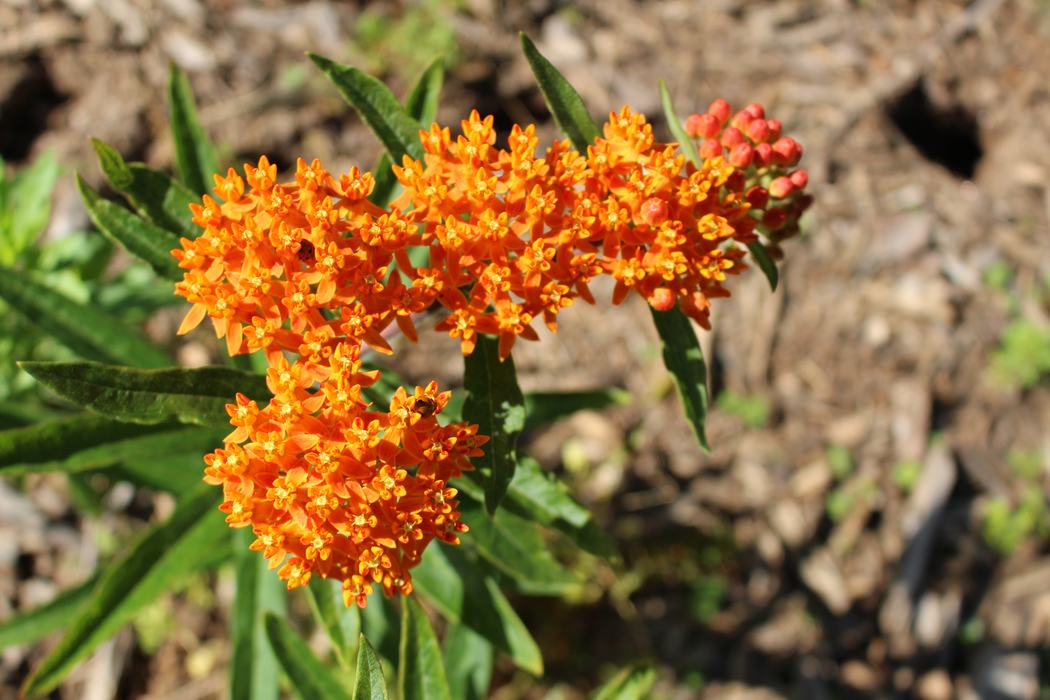
In addition to food, pollinators also need shelter. You can provide a place for pollinators to live in your yard or community. Different pollinators need different types of habitats. Here are some ways to help pollinators find shelter:
- Not all bees live in a hive like a honey bee. Solitary bees may nest in the ground, and they prefer bare ground. Consider leaving a patch of your yard as bare dirt, free of mulch and vegetation, to support these pollinators.
- Other solitary bees may nest in hollow stems. You can provide a bee hotel to give these bees a place to nest. Watch this recorded webinar on how to operate a successful bee hotel.
- Bats are also pollinators. Learn more about bats, including how to install bat boxes, in this publication.
Hopefully, you have some time during Pollinator Week to enjoy pollinators in the wild and to learn more about them!
If you are looking for more information about Pollinator Week, or tips on ways to celebrate, visit the Pollinator Partnership website.
Join our mailing list!
Enter your email address to receive updates.
Written By