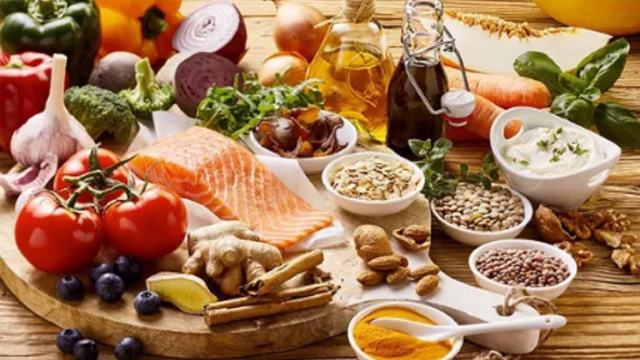
Take Control: Controlling Your Fat Intake
The holidays are fast approaching, time to celebrate with family, friends, and food! There are healthy food choices we can make when it comes to FATS, especially during the holidays. Fat is an essential nutrient that our bodies actually need. Fat provides energy and calories. Fat is also needed for our bodies to absorb and transport certain vitamins; however, not all fats are created equal. There are 3 types of fats: Unsaturated fat, Saturated fat, and Trans-fat. Saturated and Trans-fats raise our risk of cardiovascular disease, while unsaturated fats can actually help lower our risk. Learn more about the difference among the three by clicking on the link above, and choose wisely as you prepare your meals. Here are a few tips you can begin practicing to help you make the transition from unhealthy fats to healthy fats easier and more beneficial for your health: Take Control of your health today. Be mindful of your fat intake by making small changes one step at a time. You’ll come to notice that replacing unhealthy fats with healthy fats may not make a big difference in the taste of your meals, but it will definitely make a difference in your health for the better.
- Choose leaner cuts of meat; drain the fat when cooking, cut off the fat, or remove the skin before cooking and eating.
- Instead of eating meats with saturated fat, you can select fish that contain heart-healthy fats.
- Choose beans over meat at least once or twice a week. Beans are a great source of protein that do not contain any saturated fat.
- Whenever possible, choose lower-fat dairy products such as fat-free (skim) or low-fat (1%) fluid milk and yogurt. Look for skim or part-skim cheese (like mozzarella).
- Other dairy foods such as ice cream and pudding, have a lot of added sugar, and those should be limited regardless of whether they’re low-fat.
- Use the lowest-fat version of milk whenever possible. If you drink whole milk (the red top milk), gradually change to fat-free milk by starting with 2%, then moving to 1%, and finally to the fat-free version. If one of these changes is difficult, mix the milk you are currently drinking with the lower-fat variety.
- Especially with cooking and baking, a lower-fat milk often doesn’t affect the taste or texture but will definitely reduce the saturated fat.
- Replace snack foods like chips, cookies, and donuts with nuts, low-fat cheese, whole-grain crackers, fruits, and vegetables.
- Use mayonnaise made with olive or canola oil, which replaces some of the saturated fat with the healthier fats.
- Nuts & seeds are heart-healthy snacks that still have calories and should be consumed in moderation. Look for nuts/seeds without added salt.
- Choose healthier cooking methods that allow you to use canola oil and olive oil, such as roasting, stir-frying, baking, grilling, steaming, sautéing, and crockpot/slow cooker.
This information is based on by the SNAP-Ed Steps to Health – Take Control Program and is not intended to replace the medical advice of your doctor or healthcare provider. Please consult your healthcare provider for advice about a specific medical condition.